Training Week 1

This week was my first week of training for the half marathon and I finished a little late! I told myself at the beginning of this that I wasn’t going to let weather become a factor in my training. I want to run in inclement weather, figuring it’ll only make me stronger for the race. But my “long run” this week came on Friday, when we had wind speeds up to 45 mph. I laid in bed listening to trees, wires, and our fence sway and bang in the wind and I thought, “No way. I may as well run in place! I probably won’t move at all if I go out there!” So instead of finishing on Friday, I took my final run of the week on Sunday morning. I don’t plan to train on Sundays in general, but it was nice that there were hardly any vehicles on the road.

Week one was a challenge. The temps were below freezing most of the mornings, making it hard to breathe well. I’m also training with a weighted vest, which I’ve never done before. I have 11 lbs of vest on while I run and that has added an additional breathing challenge. Why the weighted vest? My hope is to improve my strength, bone density, core, and give myself an improved race time by running the actual race without it. My pace is much slower than I’m used to with the vest and probably also due to the cold. It’s hard to be efficient when your body is fighting the elements. I keep my spirits high by reminding myself that the worse I start out, the more improvement I should see over the next nine weeks. (Right?!)

This week I have 30 minute progression run, a 20 minute recovery run (the last of the 20 minute runs for the rest of the training), and two 45 minute runs: an interval and an endurance run. Last week my goal was to just get through the cold and finish the runs. This week I would like to see small improvements in my time and endurance. And if not that, then my hope is to at least feel better/more efficient on my runs.

I have one more week of my strength training program, which is hypertrophy focused. Meaning, the goal is to lift as heavy as you can for a short amount of time to BUILD muscle, rather than maintain it the way condition training does. I’ll be glad to have it finished so I can focus more on my runs, rather than try to balance the two. I’m also revisiting the push up challenge that I completed in January: doing a push up for every date of the month. But of course this month–it’s with the vest! 🙂 If anything, I’ll at least have some killer triceps at the end of this–summer is coming! 😉 On to week two!

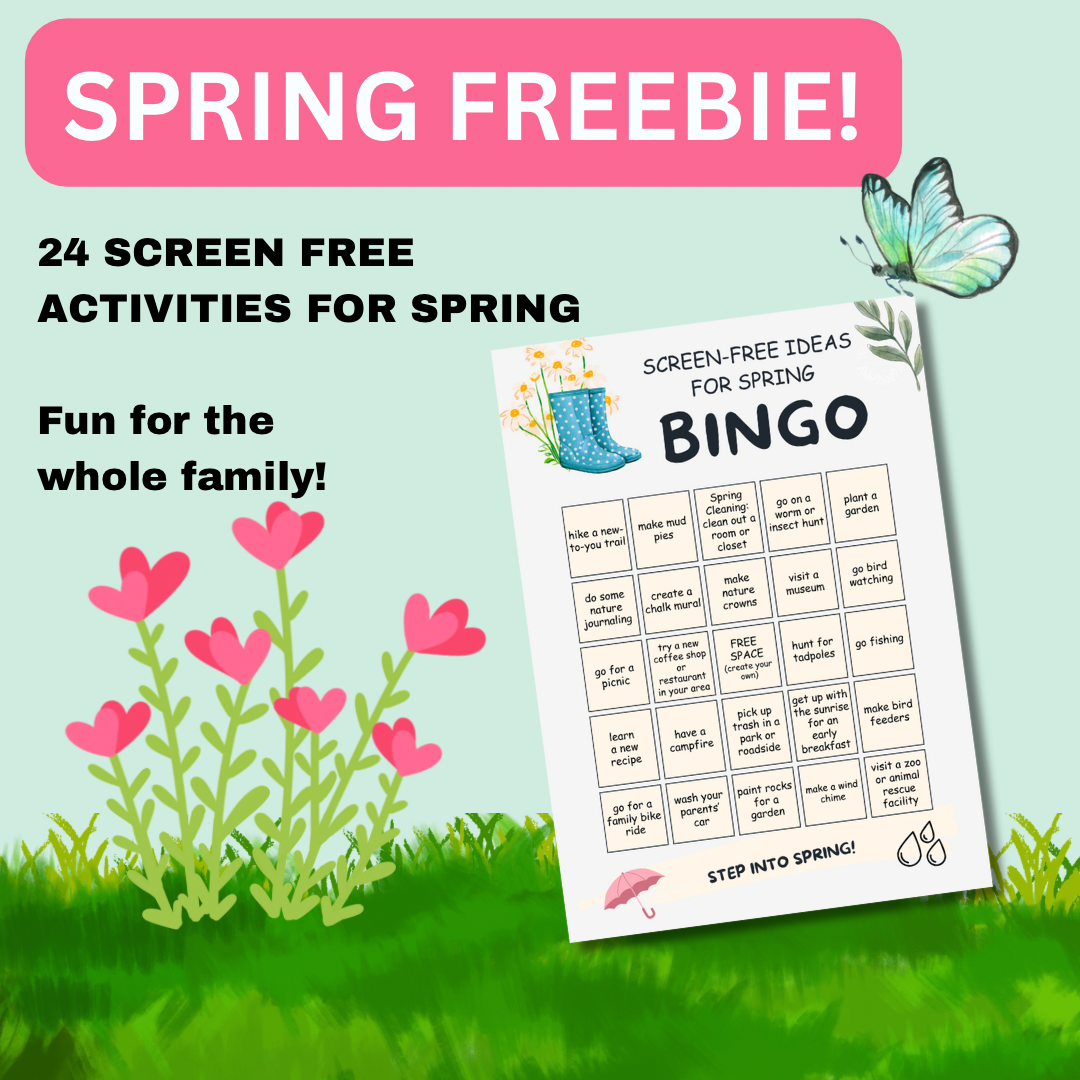
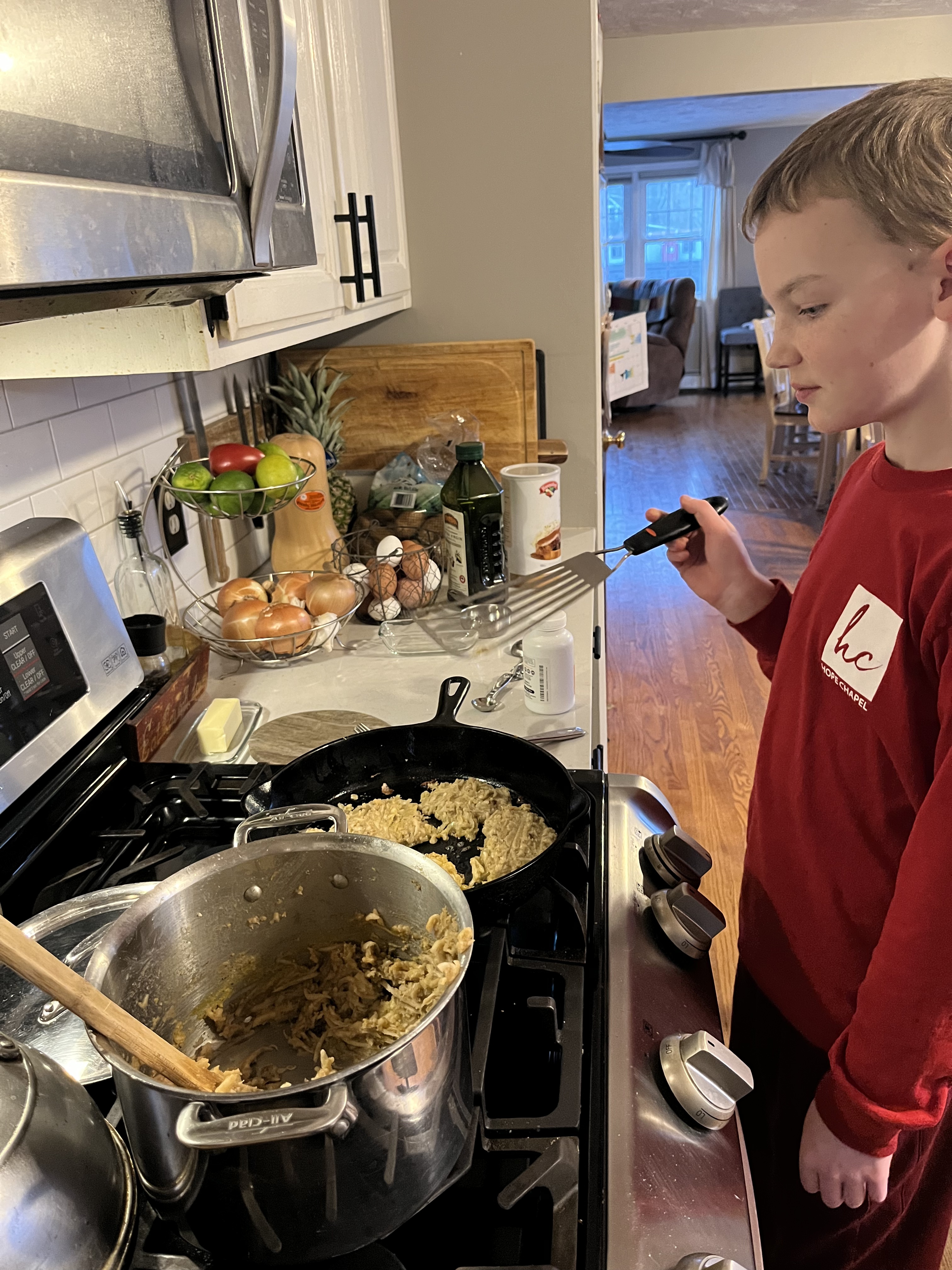
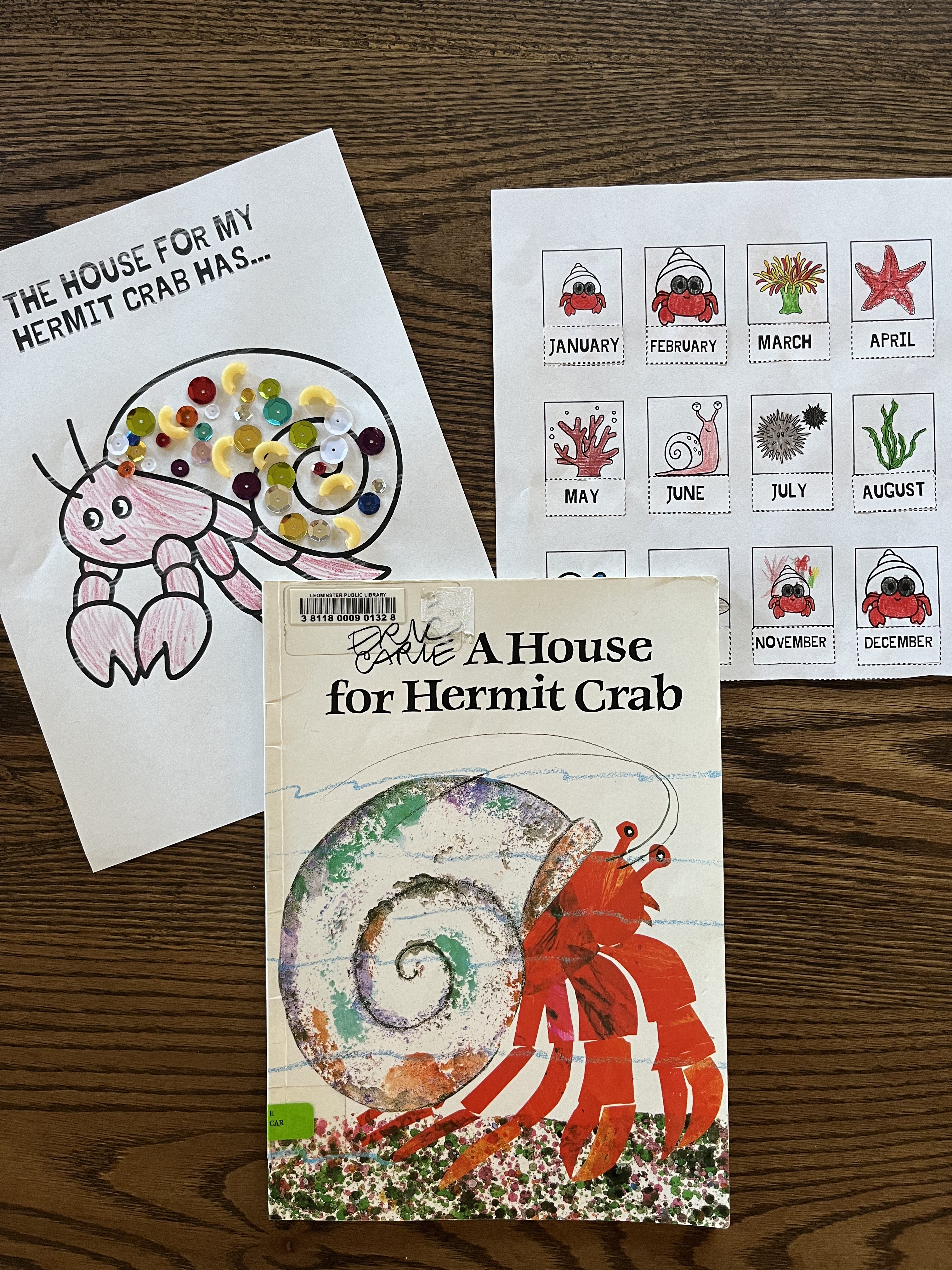
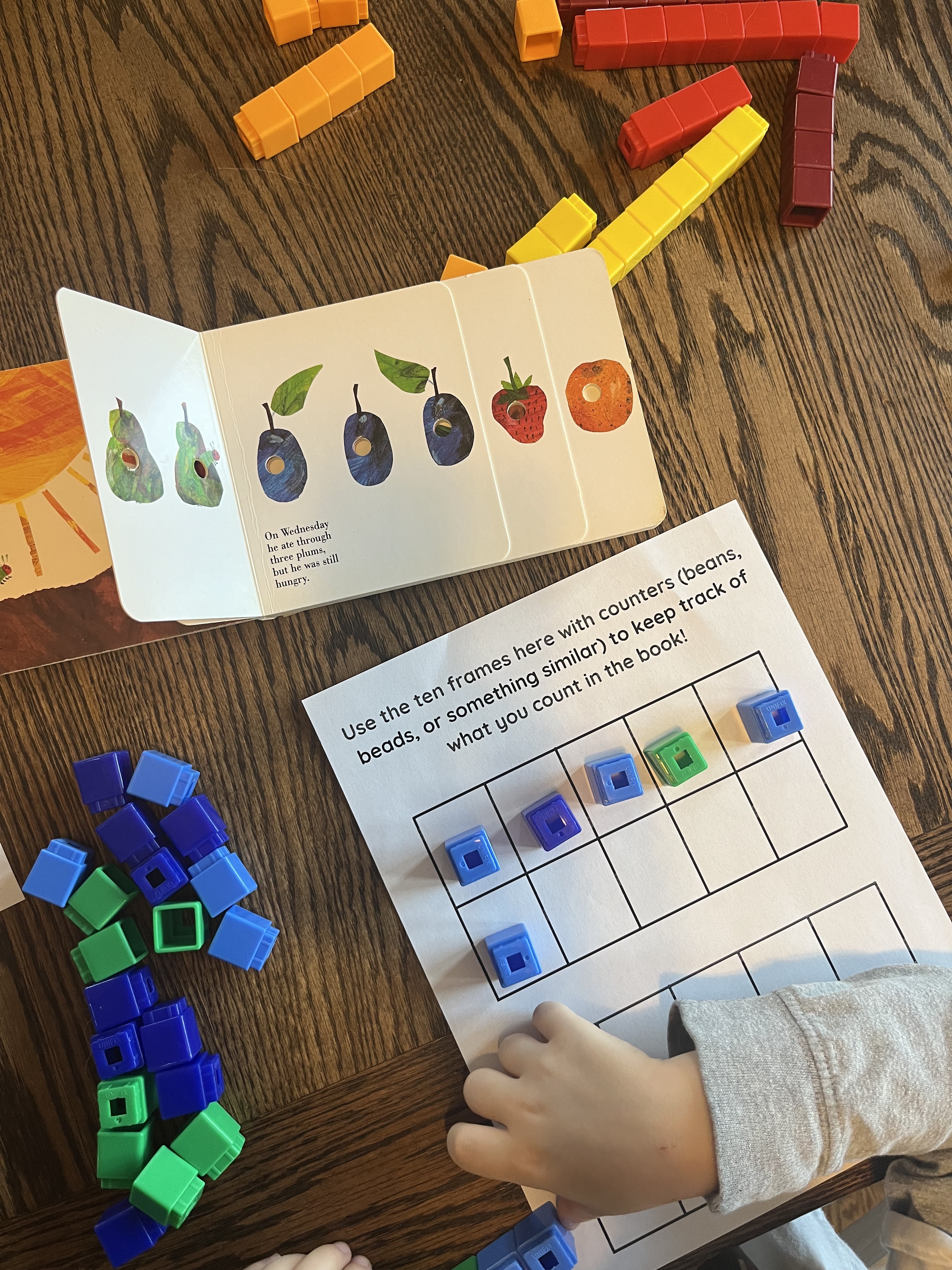
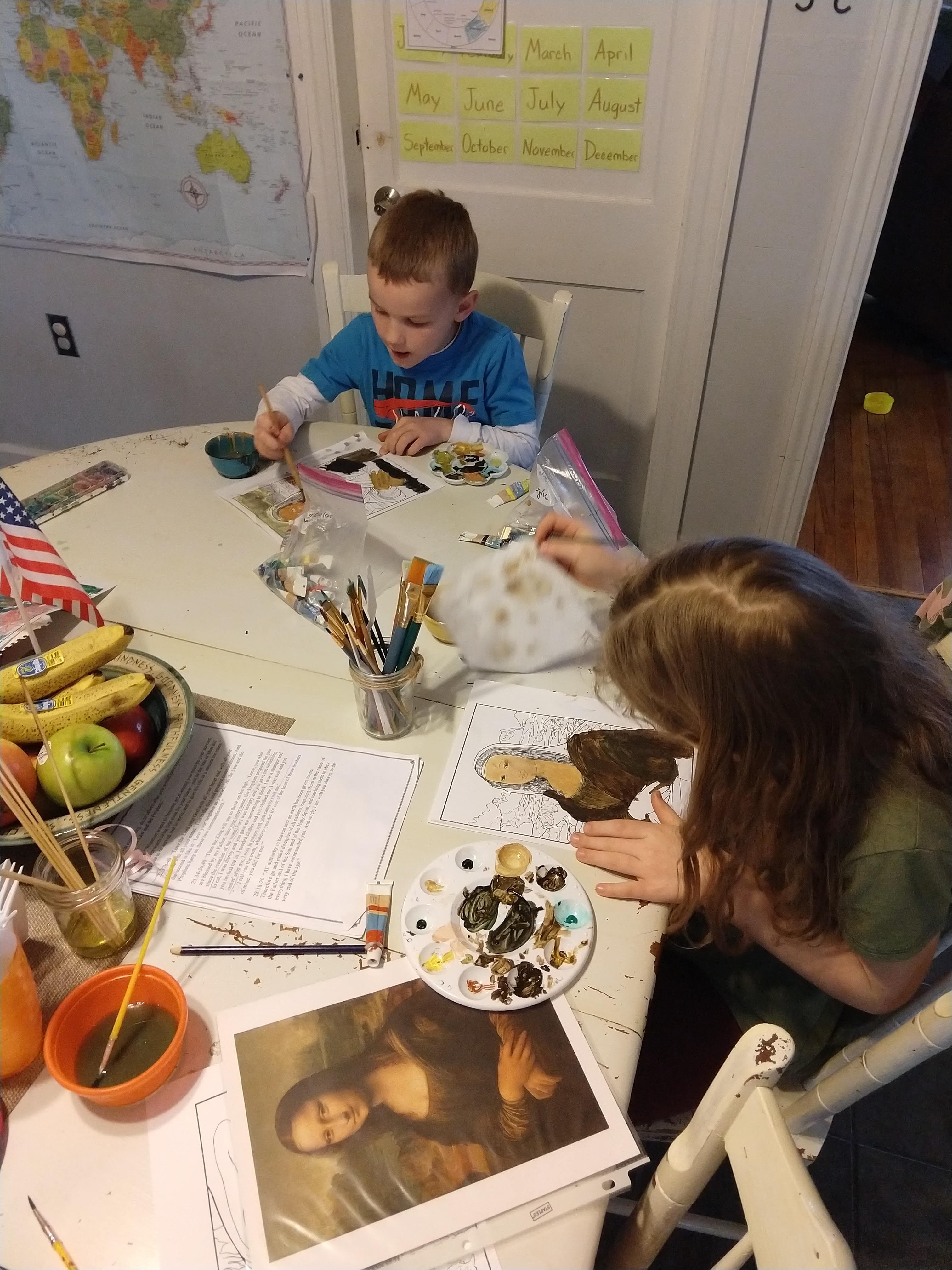
Here are some quick pics from last week. My weighted vest, the spring bingo card that’s FREE in my shop (in case you missed it, you can download it here), the kids “mining for chocolate chips” as we listen to The Endless Steppe on audio, Noah making potato pancakes to go along with his presentation on Poland, and Eli’s karate team warming up at their tournament on Saturday! Eli came away with second place in kata and fourth place in weapons. He did great!

24 Screen-Free Spring Activities for Kids

Spring Into Action: 24 Screen-Free Ideas for a Fun and Refreshing Season

Spring is the perfect time to shake off the winter blues, breathe in the fresh air, and get outside. As much as we love our screens, it’s nice to take a break every now and then and embrace the simple joys of the season. If you’re looking for some creative, screen-free activities to enjoy with your kids this spring, why not try something a little different? To make it even more exciting, I’ve created a Spring Bingo Card packed with 24 fun, nature-filled activities to help you unplug and make the most of the season.

It may not feel like it right now where I live (today we had chilling 45mph winds and freezing temps) but spring IS around the corner so get ready now! Before we know it, the mild weather will be here and our kids will be clamoring to get outdoors. See how many of the squares you can check off! Can you get BINGO, 5-in-a-row? Or go try to cross off every square! The choice is yours.

Here’s your ultimate screen-free spring bingo card, with 24 fresh ideas that will leave you feeling refreshed and reconnected with nature:

Goals on Goals on Goals

“I think you might actually be crazy” said my husband to me in a text recently after I told him all the things I aspire to do right now. The thing is, I’m great at setting goals but horrible at focusing on just one or two at a time. Prioritizing is not my strong suit. And luckily I’ve had a great cheerleader for a husband in my corner–supporting me through the year I started my own catering business, the year I blogged all our meals while we also renovated two newly purchased apartments, my various furniture refinishing projects (including the one I currently have in our garage waiting for warmer weather for me to get my hands on it), my attempt at starting an online homeschool curriculum business (still ongoing, but developing slowly), and getting food safe certified to sell sourdough from home–and this is all on top of the “new” ideas for our home, gardens, homeschool, and other hobbies I want to pursue. (I keep staring down my piano, vowing that one day I WILL get back to it!) Clearly my problem isn’t for lack of things I want to try. My problem is an inability to focus on just one or two things at a time! I’m working on it. And I know I’m not alone in this. I always wanted to have a “thing”; a “niche.” But I never have because I want to try it all! And you can’t master any one thing if you’re always trying to pursue multiple goals at once. I’m learning to accept this, but at no small price. Along with accepting that I will probably never be utterly AMAZING at any one thing and enjoying a life pursuing multiple goals at once, sometimes I feel I am losing my sanity. Hence my hubby’s “I think you might actually be crazy” comment.

And maybe I am. Because in the midst of trying to maintain a sourdough business, create more online content for my shop, eat enough protein, get enough sleep, and spend enough quality time with my kids, I have decided to try one more thing for the first time: run a half marathon. It’s something I’ve wanted to try for a long time but never thought I would give it a go. Although I participated in track & field in high school, I’ve never really been athletic. Competition of any sort, especially sports, gives me anxiety. I’m not naturally good at physical activities and I’m not fast, but running is something I generally enjoy. Why did I never think I would actually sign up for a race like this? 1) I’ve been in the early stages of motherhood for what has felt like ages. For about 10 years, I was either pregnant or nursing and I certainly wasn’t going to put more demand on my body during that phase. 2) Even a few years post-partum with my last, my body just didn’t respond well to long runs. And I certainly didn’t want to have to take a bathroom break in the middle of an actual race! 3) A few years ago, I had a pretty bad ankle injury that I never really addressed. To this day I still don’t know if it was a really bad sprain or if I actually fractured a bone. I never got it checked out. All I know is my right leg was black and blue from my toes to halfway up my calf and even a couple years later, I couldn’t run more than 4 miles without intense pain in that ankle. 4) I didn’t want to put my family through the boredom of being at a race with me, even though I would want them there at the finish line. I worry that they’ll be annoyed waiting for me, especially if the weather isn’t great. So for a long time, it just didn’t seem like it was worth worrying about all those things to pursue a silly race. But still, the idea kept nagging at me…

So after weeks of hubby having to listen to me outward process all the reasons I wanted to run the race and all the reasons I felt like I shouldn’t, I finally signed up. And true to his supportive nature, he had patiently listened every time I brought up a new factor in my decision-making and then said, “I think if you want to do this, that’s reason enough and you should just do it. And the kids and I will be there. Just send me the link to the race info and I’ll make sure we’re all set. We won’t be bored. We want to support you.” I think I’ll keep him.

I said I’m trying to get better at prioritizing my goals, right? So this is actually helpful! For the next few months, I will set only 2-3 personal goals for the month and training for this half marathon will be at the top. There’s a deadline. It will help me focus. The other things I want to pursue can wait. I really think this “dialing it in” will be good for my mental health. I’m also going to drastically minimize my time spent on social media. Instagram has been a major detriment to my goal prioritizing because as soon as I see what someone else is doing, that’s when I think I should be doing something similar and that what I’m currently working on isn’t good enough. I can’t afford to keep looking in the lanes beside me in these upcoming weeks so I will soon say “goodbye” to the ‘gram for the time being. I will be documenting my training progress and other updates here, though!

I have 10 weeks of training and week one starts Monday. Ironically, it’ll be the coldest morning of the week, with temps in the single digits. I am not looking forward to the first few weeks of training in such cold weather. But I did buy some new running shoes that are fit for uneven and icy terrain. My plan is to train with my weighted vest and run the race without it. My goal is to finish the 13.1 miles in under 2 hours. For some, that probably seems easily doable. For me (who’s not fast, remember), I’m not so sure. I hope you’ll check back here in the weeks to come to see how things are going!

My new kicks! Excited (kind of?) to see how they do on the icy morning runs!

Eric Carle Author Study is HERE!

One of the reasons I began Raising Little Seekers was so I could put the units I created as a public school teacher (and then used in my homeschool) together in a “pretty package” and offer them to the general public. I’ll admit, this process hasn’t been easy. I am a novice graphic designer at best (and an utter failure/copycat at worst). Though my ideas are genuine and well thought out, I generally just throw them together in my planner and go from there when executing them. It’s the presentation for public consumption that has had me struggling–that, and finding the time to do it! All that to say that this journey has already taken longer than I hoped when I started out. The first unit I released was the Fruit of the Spirit family devotional. You can read more about that here. Then came my composer study on Pyotr Tchaikovsky, which is a 6-week close look at the composer, his ballets, and his country of origin. I didn’t necessarily promote that unit very well (again, something I struggle with) but my kids and I had a really good time listening to his music and studying his ballets when we went through it ourselves! But this next unit is very dear to me as it is one of the first units I ever actually wrote when I was a public school teacher. During my final year of teaching, I was (wrecklessly) moved from the fourth grade to the first grade–in the middle of the school year. It had been decided that the first grade needed more help and that I was the teacher for the job. It was a frightening experience but I stepped up to the challenge. And then I proceeded to make my own curriculum and write several author studies along the way. The first of which was an author study on beloved author and artist, Eric Carle. I have since taken the lessons from this unit and put them together in a comprehensive way and aligned it to today’s kindergarten standards.

So let’s dive into the colorful world of Eric Carle! In this comprehensive kindergarten unit, you will find 14 unique lessons across the curriculum–meaning, they will hit on language arts, math, science, art, and more! You and your child will read over 15 of Eric Carle’s beloved children’s books. You will dive into time, calendar knowledge, number sense, plants, moon phases, colors, optical illusions, food, and conversations about friends and socialization. All while reading some truly remarkable picture books. What could be better to jump start your child’s education?! Or what could be better to add a little “umph” to the end-of-the-year slog we homeschooling mamas sometimes feel?! Because this unit is only 14 lessons long, you could easily take anywhere from 7-14 weeks to complete it. There is also an accompanying set of printing practice pages that is FREE with or without a purchase of the author study. So even if now is not the time for you to purchase another resource, you can absolutely get the Eric Carle themed printing pages for free from my shop.

Ultimately, I really hope you enjoy this Eric Carle author study. It is the first of (hopefully) many! And if you’re ever in Western MA, be sure to check out the Eric Carle Museum of Picture Book Art!

More Soup for You!

Who doesn’t love a good soup?! There are many things to dread about the colder weather, but one thing my family loves is that it’s “soup season!” Though just like anything, it can be easy to get into a soup rut. You have about four different soup recipes up your sleeve and by December, you’ve already made them all. Twice. So here I’ve put together a collection of my family’s favorite soups. And there are twelve of them! That means if you only made one per week, you have enough to get you through three months–the entire winter season! (Technically speaking. We all know in New England, winter is twice that long. So make them all twice and your favorites 3-4 times!) You’ll still have plenty of diversity to keep your taste buds tingling all winter long, no matter where you live.

Soup is such an easy and versatile dish to put together. You can truly customize it to suit your family’s tastes. For example, a lot of these recipes originally called for 1-2 onions in the soup but I’m not a huge onion person, so my version always cuts the onion portion in half. I like the flavor it brings so I never leave it out completely, I just downsize. You can put as much or as little onion or other vegetables in as you like! I’m also not a bean person. But if you like beans in your chili or minestrone, add them! My family can attest that if you follow these recipes exactly, the results will be delicious. But that doesn’t mean you have to stay tethered to them if you want to try it your way. Have fun with these and experiment! You have all winter!

A note about stock–I’ve included my recipe for homemade chicken stock at the end of this booklet. I really think it’s the best way to go when making your own soup. And it’s super easy. I roast whole chickens quite a bit–they are quite economical and not as hard to do as you think. I might roast a chicken for Sunday dinner, or just so I can shred the meat and save it for weeknight suppers. When I do this, I turn the bones and leftover meat into stock. It’s a great practice to get into if you haven’t already. I hope you love these recipes as much as we do!

Free Reading Log Printable for Kids (100 Day Challenge)

We all want our kids to be “good” readers, right? My guess is, whether or not you consider yourself to be an avid reader, you probably still want your children to be able to read well. So how do we make that happen? How do we turn our early or even struggling young readers into good, independent readers? 

There are countless reading programs out there that all claim they have better ways of teaching reading. And some of them probably work great! You teach phonics and decoding, and that’s a perfect way to get started teaching reading. But I have found that at the end of the day, it doesn’t matter what program you use or how much it cost. What our children need in order to learn to read with fluency, is practice. Lots of practice! And practice itself will develop into good reading habits that will last a lifetime. 

The challenge with this is that it requires time from us to invest in practicing with our children. We need to sit with them and practice daily to reach this reading goal. This can be hard to do with so many other pressing things requiring our attention. And let’s be honest, younger students at these early reading levels aren’t exactly reading riveting, great books that pull us in. So while we don’t want to appear bored at our child’s reading (since that can have the opposite effect we’re looking for), finding the motivation to sit down with them everyday isn’t always easy. 

So I’ve created a 100-day reading challenge with a reward system. Positive reinforcement is an excellent way to motivate yourself and your young reader! Each day that your child reads out loud to you, mark it down on the reading log. It doesn’t have to be long! Say, up to 10 minutes a day. After every 10 days, you reach the star on the chart and you get a reward. This is a great way to track your child’s reading progress. It has nothing to do with grade level, but is a fun way for young readers to keep track of their reading. When I use this reading log template with my children, we typically invest in 10 minutes of reading time each day, or one simple leveled reader. It’s a commitment, but it’s doable. Do this for 100 days, and you will certainly see an improvement in your child’s reading ability!

There are many different versions of reading log templates and book trackers out there. Some keep track of the page numbers read, others keep a record of the books you read. Your local library may even have its own weekly reading logs for older kids. This one is less specific and entirely customizable. For 100 days you invest in reading with your child. Let him or her read out loud to you for 10 minutes a day, or read one of their early readers, or one chapter from a book. And every 10 days, issue a reward. The reward is totally up to you and whatever suits your family! It could be that your child gets to skip a chore, or gets to stay up late one night, gets to pick the next movie for family movie night, or even chooses dinner one night that week. Or you can reward the both of you and go out on an ice cream date, or have a special time out just the two of you! It can be the same reward every 10 days, or you can change it up! 

This reading log is for your own personal use and is customizable for older or younger children. Use it to keep track of minutes, or keep track of the books you read, or the number of chapters you complete. It’s totally up to you and your individual student! The important thing is that you keep reading with your child. If you miss a day, no big deal, just pick up where you left off. But the improvement in your child’s reading skills WILL COME when you stick to this for the 100 days. There is no deadline, but maybe you make it a goal for yourself to complete it by the end of 2023 or another date that fits your family schedule. This is designed to be a useful tool to enhance the reading experience for your family, not a ball and chain that weighs you down for the entire year.  

You can involve other family members, as well. Your child doesn’t have to read to just you. They can read to a sibling or a grandparent, or an aunt or uncle!  The good news about this reading log is that it’s designed to be used to fit your family’s lifestyle and will hopefully instill a love of reading in your child. You can both bond over books over the course of the 100 days, and as you watch their literacy development soar, you will also be creating lasting memories between the two of you.

In my homeschooling family, I teach the phonics and decoding as a part of our reading curriculum. But I am convinced that the magic occurs when my husband spends each morning reading with the child who is learning and needs the practice at the given time. This regular routine of daily practice definitely helps take that child’s reading skills to the next level. Not only that, but it is a bonding time between father and child. I can think of few other parent/child experiences as significant as bonding over books and helping a child achieve something as monumental as progressing in reading. 

So if you’re looking to take your child’s reading skills to the next level, or just looking for an easy way to keep track of reading regularly with your children, I highly encourage you to download this free reading log to use in your homeschool. And if you don’t homeschool, it’s still an extremely useful tool in helping your child achieve his or her reading goals, and the perfect way to start instilling a lifelong love of reading in them! I can’t wait for you to see your child’s reading progress!

12 Special Ways to Start a New Homeschool Year

Starting a new homeschool year can be daunting for both kids and moms! There is this tension between excitement for a new routine and the sadness that summer break is winding down. As homeschooling moms, many of us like to have a plan in place. We’ve spent countless summer hours combing over curriculum, getting input from fellow homeschoolers, picking out books, and planning potential field trips. And then comes the first day. We want everything to go smoothly or else… all seems lost. So how do you ensure a great start to the school year? While there is no guarantee, there are certainly some special things you can do to kick off a new year in memorable ways. The start of school doesn’t have to just be about new clothes or new school supplies. Those things are important and in a lot of ways, they define this time of year. But there are also so many unique, fun activities you can incorporate that you may not have thought about yet. Some of these may become new first day of school traditions for your family, or they may be things you try just this once. Please don’t let these ideas overwhelm you or add to your to do list. And no way could anyone be expected to do them all! My hope is that you pick one, maybe two ideas to help create a fun day for you and your kids as you start a new homeschooling year. 

The good news is that first day of school does not have to encompass the whole of what we want to accomplish for the year–not even close! If our goal in homeschooling is to deepen our relationships with our children and give them a rich, meaningful education that is full of love and adventure then let’s let our first day of school be just that–a family day full of adventure! This is what makes our ability to homeschool special. 

I like to start off with a special breakfast. In our house, this usually means I’m up early making doughnuts–but a trip to Dunkin Donuts or the local bakery is just as good! I also like to have a letter written to each child from me on their plate. This is my way of letting them know how special they are, how much I love them, and what I’m excited about for them in coming school year. And of course, we start our day in prayer for the new year. 

Once it’s time to start school, we generally don’t cover all subjects on that first day. I typically pick one or two we all enjoy and focus just on those. I know it’s tempting to get right into the new school schedule, but it’s also nice (and beneficial) to ease in and get a feel for how long things will take to get done. This is hard to do if we’re trying to cram everything in all at once. Don’t forget to leave margin in your schedule! This is a great mentality to maintain, not only for the first day of school, but for the whole year. This also leaves room to get those first day of school pictures, if you want!

To make that first day special, think location. Can any of the subjects you want to cover be done outside? Taking school work to a park or playground can be a really unique and fun way to start the year. If science is one of the subjects you want to start with, one of my favorite things to do is take a nature walk! If you’re a hiking family like us, or have older kids, hitting the trails or hiking a mountain is totally doable for that first day! Pack some art supplies or even a math worksheet to complete at the summit. Hiking outside is an excellent way to wake up the brain and how many kids get to say they did school at the top of a mountain?! So much fun.

Speaking of math… is it a dirty word in your household like it is for a few of my kids? Math is one of those non-negotiable subjects that everyone loves to hate. I know it seems senseless to not get it in on the first day of school, but you can still change it up a bit. Consider using that first day for review games rather than a full lesson. Or maybe you take it as a mental math day, (which could turn into a once-a-week routine)! There are so many fun things to do for math on that first day of homeschool. From games to experimenting with recipes as the math lesson, the possibilities for a fun start are endless. 

One thing I definitely have to get in on that first day of school is a read-aloud. Reading out loud is something I do with my children everyday during the school year and as often as I can in the summer. I get so excited over read-alouds and picking the new books I want us to experience together! While we do want that first day of school to feel special, it’s important to also incorporate some aspect of the routine you’re striving for in the coming year. For us, reading aloud is a big part of that routine. I would be remiss if we skipped it on the first day. It’s also an easy one to do outside, at a park, on a trail, or on a picnic blanket with the whole family. 

Whether you do one, two, or more subjects on the first day, I highly recommend ending by lunchtime. We typically do this all year (with a few exceptions), but I find it to be especially important on day one. It’s so nice to have that afternoon to debrief or adventure. So what about a special lunch? If you can’t get in that special breakfast (or maybe you do but what’s one more special meal?) you can totally make lunch a fun meal, too. Is there a certain lunch that is everyone’s favorite? Can you go out for lunch to celebrate the first day? Or if you have the capacity, can each child make his or her own lunch? This, too, can become a weekly tradition that can also help foster independence in the kitchen. 

Once school work is done for the day, consider taking an adventure in the afternoon. Go for a hike on a new-to-you trail, visit a park or botanical garden, or just go out for ice cream and talk about the day and your hopes for the new school year! This is a great way to include your kids in the “planning” of their education. Figure out what they are hoping to learn this year. (You may want to do this before the first day of school, but if you don’t get around to it, it’s totally fine to use that first day as a strategy session with your students.) 

You could also consider making the whole first day into a field trip. If you know you’re starting with a particular topic in science or history that lends itself well to museum or outdoor exploration, why not start there? Imagine surprising your kids with a field trip when they are expecting to wake up start school work. Priceless. 

Whatever form it takes for you, I encourage you to make the first day of a school a special treat for your kids. The most important thing is to remember the reason for choosing to homeschool, and don’t allow yourself to become a slave to your curriculum choices. 

While you want to have a plan in place and maybe you’re ironing it out the week before or the night before, try not to overplan. Let yourself (and your kids) ease into the school year. Don’t stress. Remember that you are the best person to raise, disciple, and teach your kids. And home is the best place for them to learn! You’ve got this.

Be sure to download these free printables with tips for the first day and reminders for the homeschooling mom and post them in your school planning area or on your vision board if you have one. They are great reminders not only for the first day of school, but for your school planning year round.

10+ Ideas for Fun Lunches with Kids

One of my favorite things about homeschooling is that I get to have lunch with my kids everyday. I love to chat about how we think the day is going and to hear their silly jokes. I don’t always eat with them (I’m sometimes feeding the baby or getting my dinner prep out of the way while we’re all in the kitchen) and I often just have a salad or smoothie myself, but I still love making lunch together an “anchor point” of our day. (See previous post about the importance of having anchor points throughout the day.)

It occurred to me that many parents are now not only facing the task of supervising their children’s education from home, but they also have to prepare lunches for their kids who are normally eating at school. So I thought I’d share some of our favorite lunches as a homeschooling family. Although I love to cook, I’ve loathed preparing lunch for a while and only recently started coming around. This has been my struggle: it’s a disruption to the flow of our day, I’m often about to hit the “early afternoon slump”, and usually I want to serve something quick. When I started to look at lunch as another valuable chance to connect with my kids and get creative in the kitchen, it became more fun. So I asked them what some of their favorite lunches are, and we came up with this list. Some of these ideas take a little more time and planning ahead, but when I have the time, they make lunch more fun. Hopefully you can glean an idea or two for yourself!

Favorite picnic/outdoor lunches:

  1. Baguettes with cheese and meat. I’ve never liked packing a picnic lunch, even though I do it all the time. Making 5 different sandwiches assembly-line style tended to get in the way of our morning routine and letting the kids make their own meant more clean up for me when we were trying to get out of the house. But the task became easier when I was turned on to the idea of simply packing a baguette, some cheese, and some deli meat and letting the kids break apart what they wanted when we eat. When I started doing this, my kids LOVED it and I appreciate the simplicity. Now it’s a lunch they request weekly. Personally, I make my own baguettes because I enjoy pushing myself in the kitchen (it’s a hobby of mine) and if that interests you, I use the Cook’s Illustrated recipe and make them a couple times a week. There are plenty of other recipes you can find online!
  2. Chicken salad wraps. Any kind of wrap or pocket, really. I’ve found that simply switching up the vessel in which I serve a “sandwich” makes lunch more interesting and appealing to my kids, and me! We love a good turkey wrap, ham wrap, or chicken salad wrap. If we’re at home, they make it themselves. I simply put out the ingredients and let them have at it. If we’re picnicking, wraps are SUPER portable which is perfect for exploring.

Favorite FUN lunches at home:

  1. HOMEMADE PIZZA! This is always a winner, and it’s easier to make than you might think. Pizza for lunch feels really special to my kids so I love to treat them to it. I make my own dough (recipe below)*, but the Pillsbury pizza crust is also tasty. A little sauce, a little cheese, throw it in the oven at 425* for 10 minutes and it’s done. Really fast lunch, and super fun! Here’s how we like to change it up…
    • Make-Your-Own-Pizza day! If we don’t have a lot on the schedule, this is a treat. We don’t do school on Fridays so it’s a good day for this if we don’t have a field trip planned or co-op (like, you know, now in quarantine world). They each get a little dough and spread toppings as they like.
    • Taco Pizza! This was an idea I stumbled upon sort of by accident about a year ago in an experiment and it instantly became a family favorite. Randy gets jealous when he hears the kids had it for lunch! To make it, I add a little taco seasoning (half a packet) to an 8 oz can of tomato sauce and use that for my “marinara.” I use the rest of the packet to flavor the beef or ground turkey as I cook it (about a 1/4 lb for one pizza). To assemble, I spread the sauce on the dough, top with Mexican cheese, and flavored meat. Bake at 425* for about 10 minutes. Once it comes out of the oven, I let it cool 2 minutes, then spread sour cream on top and sprinkle with lettuce and tomatoes and hot sauce. So good! If you don’t have taco seasoning, a combination of cumin, garlic powder, onion powder, chili powder, and paprika will do!
    • Other Topping Ideas: sausage and broccoli, sausage and peppers, pepperoni, leftover BBQ chicken, bacon/spinach/fried eggs (My kids love fried eggs on everything! Whip up a pizza with wilted spinach, bacon or pancetta, and then crack a few eggs on top with 2 minutes left of bake time. The eggs will cook in the oven and leave a runny yolk. “Breakfast” pizza!)
    • **I started making sourdough at the beginning of the year and have discovered that sourdough pizza crust is delicious and a great way to use your discarded starter. Some people have been trying this bread during the pandemic, so if that’s you, consider giving this crust a try, too! I make it once a week. First thing in the morning, I’ll separate my starter so I can feed some for a new loaf of bread and turn the rest into pizza crust for our lunch. I’ve also found recipes for sourdough pretzels (kid FAVORITE), waffles, and other goodies that are very tasty. It is such a satisfying process for a home cook and baker!
  2. Cheeseburgers and hot dogs. As the weather warms up, this is a great lunch. Even though cheeseburgers are often supper food, they’re really quick to make and the kids think they’re getting something pretty special when it’s burgers for lunch! If I’m planning on making burgers for dinner one night, I’ll often make extra patties to serve for lunch later in the week. As someone who makes 21 meals for 7 people every week, I can attest that it’s perfectly fine to repeat favorites during the same week and the buying/prepping in bulk is so economical: saves a lot of time and money!
  3. Calzones. Ask my kids if they prefer pizza or calzones and they will say “calzones.” Ask them if they prefer taco pizza or calzones and they will say they don’t want to live in a world where they have to choose. I typically make a version of Ree Drummond’s easy calzones. It’s a good amount of work for a lunch, so they can easily be prepped the night before, or just make ’em for dinner, they reheat beautifully for lunch!

Favorite Ways to Use Leftovers

  1. Rice Bowls. For a family of 7, rice is a staple. Some dinner favorites around here include arroz con pollo, pork fried rice (any Asian rice dish, really), and risotto either as a side or a main dish. When I make rice for dinner, I always make a big batch so we have leftovers for lunch. I will take the leftover rice and fry it in a large saute pan with some frozen corn or peas (and maybe some ham if I have it and there isn’t already meat in the leftover rice), and fry eggs in another pan. Everyone gets a big bowl of the prepared rice and a fried egg or two on top. They love to use the runny yolk as a “sauce” in their rice. This is seriously a lunch my kids get excited about. I turn into the “BEST mom ever!” when this is on their placemats. And all I did was reheat dinner and fry some eggs…
  2. “Anything goes” pockets. Store bought pastry dough can turn any leftover dish into a fun “pocket” or “turnover” or whatever you want to call it. Here’s a go-to example we use:
    • Take leftover mashed potatoes and mix in a bowl with leftover ham (or turkey or chicken).
    • Add some frozen vegetables (peas or corn are what I use)
    • Add some shredded cheese and season with salt and pepper. Mix well.
    • Unfold the pastry dough and cut into squares. Fill each square with the potato mixture and brush with an egg wash to help seal in the shape of a triangle. Poke a few holes in the top of the pocket to allow steam to escape while baking.
    • Place stuffed “pockets” on a baking sheet and bake at 400* for 12-15 minutes, or until dough is golden brown and cooked all the way through. Let cool! The filling will be hot, so allow time to cool before serving. These are great dipped in ranch dressing or chutney.
  3. Leftover chicken can become chicken salad. Turn it into a wrap or serve it on a salad (this might be a more favorable lunch for Mom, but my oldest will have a salad like this any day).
  4. When I make a big batch of spaghetti sauce and meatballs, some meatballs and sauce can be reserved for meatball subs at lunch. That’s a rare and therefore special occurrence around here.
  5. Crockpot meals make excellent lunch re-heaters. Some of our favorites are slow-cooker barbeque pork for pulled pork sandwiches or tacos, pulled chicken, or even slow cooker pot roast. All great next-day lunches!
  6. Tacos. I mean, either make a huge batch the night before for dinner and then leftover lunch, or just make them for lunch… tacos are amazingly easy and delicious. Enough said.

Favorite ways to re-imagine “classics”…

  1. Homemade mac & cheese. This is actually not much harder to make than a boxed mac & cheese. The longest part of either process is waiting for the water to boil and the pasta to cook. The rest is a piece of cake! And when you make it yourself, you can change up the cheese, flavoring, and additions. To make the cheese part, I start with a couple TBs of butter, melting in a pot. Once melted, add about 1/4 cup of flour. Whisk together and cook until flour is completely mixed in with the butter. I then add about 1 TB of dijon mustard, and a dollop of sour cream (not necessary, if you don’t have sour cream, no biggie, I don’t always use it, but it adds good depth to flavor). Then I quickly whisk in about 1 1/2 cups of milk and continue whisking over high heat until thickened. (The higher the fat content of the milk, the faster this will go. Whole milk is a great option.) Then I turn off the heat and add my cheese, anywhere from 1-2 cups of shredded cheese, depending on how cheesy you like it. Season liberally with salt and pepper and add in the cooked pasta (I always use a whole pound of shells, or 2 cups of elbows pasta). Done! If you want “plain” mac and cheese, use shredded cheddar jack. You can add some frozen peas or chopped spinach to get those veggies in. OR use a sharp white cheddar cheese and add in some broccoli and cooked chicken or ham. Changing up the cheese and pasta on occasion is a fun surprise for the kids!
  2. Grilled cheese and tomato soup. I have ordered grilled cheese for my kids from restaurants only to get a barely melted piece of cheese between two barely toasted pieces of bread. Forget that. This grilled cheese is ooey, gooey, and oh, so flavorful. I make this when I want a “gourmet” lunch for myself! And the kids love it because… it’s grilled cheese! In the food processor, I put whatever cheese I have left on hand (a bag of shredded cheddar is a great option, but cheese in multiple forms is a staple in this house–blocks of cheddar, gruyere, and parmesan are usually in the fridge so I often add those to the mix), half a stick of butter, a handful of spinach, a pinch of salt, and some fresh basil. Pulse until well combined. Scoop a spoonful or two between two pieces of bread (sourdough or white) and grill until melted and the bread is toasted. I also add a little shredded parmesan and chopped basil to our tomato soup–we buy the organic Imagine brand. It is so smooth and “creamy”, but no dairy. This is truly a “gourmet” soup and sandwich lunch.
  3. Instead of PB&Js, try... Peanut butter and jelly (or fluff) Ritz crackers. I also love to spread Nutella or cream cheese on these and top them with fruit. And of course, cheese and pepperoni make great cracker “sandwiches.” A variety of crackers with creative toppings is always a crowd pleaser and fills them up.

In a hurry but no leftovers…

  1. If I need to get lunch on the table fast but don’t have leftovers in the fridge, I often just put out a sampling of veggie sticks with dressing, fruit, cheese, and crackers. Separately these all make great appetizers, but served together, it can be a healthy, filling, and easy lunch!
  2. Yogurt, fruit, and granola. This is a super easy lunch and satisfies my kids, especially if they’ve had a big breakfast or a snack mid-morning.
  3. If I don’t have time to make sandwiches, it’s often better if I simply put out the deli meats, condiments, and bread. They love making their own sandwiches and they often eat the whole thing when they’ve made it themselves (ownership of creation and everything). 🙂
Next up, Fuel-Filled Breakfasts for “Homeschool” Days, stay tuned!

*Here’s my pizza dough recipe (not sourdough):

  1. Mix 1 TB sugar and 1 tsp of dry, active yeast in 1 1/2 cups warm water. Set aside.
  2. Combine 3 cups of flour, 1 tsp salt, and about 1/4 – 1/3 cup olive oil in a large bowl.
  3. Stir the water/yeast mixture into the flour mixture until well combined. Add up to another cup of flour (slowly) if needed. Knead into a ball and place in a bowl with olive oil and roll the dough in the oil. Cover the bowl and let the dough rise 1-2 hours. This should make enough dough for 2 pizzas.
Cheese pizza on sourdough crust!

Thriving During Distance Learning

“If you have a garden and a library, you have everything you need.” Marcus Tullius Cicero

There is a beautiful sentiment of simplicity behind this quote and perhaps in today’s digital age, the “library” could be replaced with the “internet” though many would still shudder to think so. But now that we are being temporarily stripped of our usual luxuries and even confined to our homes during the COVID-19 pandemic, this ancient quote is being put to the test. Children are having to practice “distance learning” since attending school is not an option and parents who didn’t ever plan to homeschool are struggling to figure out how to ensure their children stay on the educational path while juggling everything else on their plate, possibly even working from home. Can we really find satisfaction without our restaurants, movie theaters, and shopping excursions? Are books and outdoor exploration really enough to educate a child? Many parents are now having to ask themselves this question along with, “How are we going to get through this unfamiliar territory in one piece?!”

As a former-public-school-teacher-now-homeschool-mom, I hope I can offer a bit of encouragement here, but not alone. My friend (and veteran homeschool mom of four now-adult children) Jane and I worked together to compile a list of tips, tricks, resources, and encouragement for parents who are now faced with the seemingly daunting task of educating their children from home. We hope these insights prove helpful and encourage you to THRIVE through this unique time, not just survive it!

So get ready, this is a long one. Grab a beverage, and put the kids in front of a screen and don’t feel guilty this time. 😉 Here we go!

Thriving While Distance Learning… A Few Points to Remember

  1. School at Home is NOT the Same as School in the Classroom… You don’t have to recreate the school day. *You might want to find a way to occupy your children for 6-8 hours a day, which is a different topic and we’ll have some helpful resources for that as well, but first, please release yourself from the idea that you have to be teaching or your child has to be “actively learning” for 8, 6, or even 4 hours each day. It’s simply unrealistic.* Public school is designed for many children in a classroom setting. At home, learning goes much faster one-on-one. Try to set realistic expectations including shorter bursts of learning, frequent breaks, and motivate with rewards. Remind your child that you’re in this together. If you both can put in effort to get through an assignment, then you can both enjoy a reward (make a fun snack, take a walk, watch a movie, etc) together afterwards. We will give sample at-home routines later on. See learneverywhere.org for free printables and resources for covering subjects at home. Also remember that worksheets are “busywork” and might be necessary in the classroom so the teacher can assess everyone’s knowledge; but at home, if your child can answer a science/math/social studies question orally, they don’t need to write it down (unless you’re assessing their writing skills, too). And if they can complete six math problems quickly, efficiently, and correctly, then they don’t need to do 16. That is exasperation and will lead to burn out. More practice is needed only when more practice is needed.
  2. Focus on the Basics and Keep It Simple… It’s important to note that most of what our kids learn for science and social studies is repeated year after year in public school. So if you are also working from home, or you’re short on time, don’t stress over those subjects. Science can be really fun to do at home but if you’re not a science person or the thought of social studies intimidates you, let it go. Reading and math are the foundational skills kids need to “keep up” in school so give yourself freedom to focus on those, especially if your child needs extra practice with either.
  3. You are Not Alone… As a former public school teacher, I can imagine teachers everywhere trying to figure out what this classroom hiatus will do to the rest of the school year or the start of the next. If you can remind yourself that everyone is going through the same new situation, you can take some pressure off yourself to do this “right.” Reach out to your teacher friends and your homeschooling friends. Seek advice when needed (the digital socializing will be welcomed, I’m sure). But avoid comparing to what it looks like your neighbors are doing. Every family is unique and gifted in different ways. You are the right parent for your child and you do have the ability to teach them!

So HOW Do we Thrive While Learning at Home?

Set a Goal. Ask yourself, “What do I want to be able to say about this experience when it’s over?” Matthew 6:24 says that we cannot serve two masters, and Jesus was constantly calling people to demonstrate their devotion to Him by giving up something else they held precious. I believe this principle (if we are not intentional about serving God, we are serving something else) can be applied here. Sarah Mackenzie, author of Teaching from Rest* and the Read-Aloud Family*, and host of the Read-Aloud Revival podcast said in a recent episode that if we are not intentional about setting a goal to a desirable outcome, we are probably working towards an outcome we might not favor. When your kids go back to school, you might say something like, “Well, we finished all the work the district sent home” or “we ‘did school’ for 4 hours a day” or “it nearly killed us, but we survived.” But if you’re intentional about setting a desired outcome, you will be able to say so much more.

When my kids go back to school/things return to “normal”, I want to say that…

  • we grew closer to each other
  • we grew closer to the Lord
  • I helped my child master a concept he/she was previously struggling with *Remember that public school is not really designed for mastery. It’s nearly impossible for one teacher to ensure that 30 students master a subject before they move on and many kids pass from one grade to the next with C and D grade averages. You have a rare opportunity to zoom in on an area of struggle for your child and help them get over the hump so they’ll be more successful when they return to school. It’s okay to push other things aside to give more attention where needed.
    • Need help mastering math facts? Check out www.mathantics.com or mathusee.com. There are also several math game apps that can be used on tablets and smart phones. Math games such as Boggle, Rummikub, Farkle, and even Battleship are great to play with your kids. (Public school teachers employ these in the classroom, too, TRUST ME.) If YOU are struggling to figure out how the teacher wants your child to solve their math problems, now is a great time to discuss with your child how you would do it and give them an alternate way to solve the problem. This might help them figure out how to explain to you how they learned it. (Now THAT is number-bonding with your child!)
    • Need help with spelling? Check out spellingyousee.com. Play Scrabble, Scrabble Jr., or Bananagrams (one of our favorites).
    • Need to work on printing or handwriting skills? Bible verse writing and copywork are great ways to enhance this and can be easy components of morning work. momstronginternational.com has FREE Bible verse copywork in printing and you can get cursive by joining the site for $10/month. What a great way to commit the Bible to memory, or something you can work on WITH your child! Writing letters is also a great way to improve handwriting and I’ll address that in more detail further down this post.
    • Check out Worldly Wise for help with vocabulary enhancement!
  • I helped my child learn a new skill or I learned a new skill with my child! Youtube has so many tutorials for things like crochet, whittling, and art! (My kids and I learned Chinese brush painting through youtube and it was so much fun!) Check out https://simplycharlottemason.com/store/handicrafts-made-simple/ for more video tutorials on handicrafts. These are great for your kids to do during movies or read-alouds, especially if they are naturally on the fidgety side.
  • We improved our morning routine or got better at household chores. Parents of littles know that it is a daunting task to teach our children how to do a chore WELL. You have to put in a lot of effort up front to see a good return in the future. So if you’ve ever felt like you couldn’t help them get better at a chore or improve your morning routine because of busyness, now’s your chance! Get that morning routine down pat so it will be automatic when school restarts. Help them learn how to wash dishes, make their beds, or even cook a meal start to finish.
  • We did a unit study on a topic my child shows intense interest in! Visit unitstudy.com for ideas and helpful tips and how to integrate school subjects into one unit. greatcoursesplus.com is a good resource for highschoolers, too!
  • My child “got over the hump” in reading and now enjoys it! This may seem like a stretch to those with reluctant readers, but it IS possible. So, let’s talk books…
    • First, I encourage everyone to subscribe to the Read-Aloud Revival podcast! It’s not just for homeschoolers, but for everyone who desires to “make meaning connections with their children through books.” You won’t regret it.
    • You can have a “family book club” or a “parent/child book club” or even a “virtual friend book club!” Pick a book, read it together (or separately during your own quiet times) and discuss them. That’s a literature class. And if you read a book that takes place during early American history, ancient times, the middle ages, or a biography; you’re also covering social studies! Visit https://readaloudrevival.com/rar-booklist/ for booklists in every category including struggling readers, first novels to read-aloud, and favorite picture books!
    • Listen to audiobooks! These are a great form of entertainment that doesn’t include staring at a screen. You can listen to an audiobook while doing a puzzle, a handicraft, coloring, or even cleaning the house or cooking a meal! If you have a struggling reader, it is perfectly acceptable to allow him or her to listen to an audiobook while following along in their own hard copy. It is a GREAT way to learn pronunciation, nuance, vocabulary, and fluency in reading.
    • Books that make good family read-alouds:
      • The Chronicles of Narnia
      • The Green Ember Series
      • The Wilderking Trilogy
      • The Penderwicks series
      • The Vanderbeekers series
      • The Bronze Bow (*great for Easter)
      • Vinegar Boy (*another Easter book)
      • Lost on a Mountain in Maine
      • The Golden Goblet
      • The Door in the Wall
      • Running out of Time
      • My Father’s Dragon series
      • The Little House Series (The Long Winter would be especially relatable during hard times, and these make FANTASTIC audiobooks–they are extremely well done!)
      • Anne of Green Gables
      • YWAM – Christian Heroes Then and Now
      • My Big Fat Zombie Goldfish (*good for struggling readers)
      • Magic Treehouse series
    • Books you can read and then watch the movie (compare/contrast):
      • The BFG
      • Matilda
      • James and the Giant Peach
      • Because of Winn Dixie
      • The Tale of Desperaux
      • The Little Princess
      • Little Women
      • Harry Potter or Lord of the Rings Series

So now that we’ve released you of the pressure to do things “just so” (you’ll choose what’s best for your family, right?!) how exactly will you keep these kids occupied all day?!

  • Have a schedule and follow it loosely. I like to say “rhythm” rather than routine. A schedule is good for everyone’s mental health. Children thrive on structure, honestly they do. But you also need to allow yourself grace, especially during an uncertain time such as this. A good suggestion is to have “anchor points” during your day. These are times that give your day structure and are largely stuck to, even when other things go astray. Meals, for instance, would be anchor points. And then you can ask yourself, “what do we want accomplish before lunch, or after?” In our house, quiet time is a big anchor point. It’s always after lunch, after the kitchen is cleaned. We read a picture book and then it’s naptime for the youngest children. The older two sit quietly in their designated areas for 30 minutes of quiet self-directed study. They can read, do activity books, practice origami, etc. Then they get an additional 30 minutes to play math games on their tablets. After that, they can play together quietly (usually legos or a board game together) until their siblings wake up from their naps. This is the most blissful time of my day! We all need a little break woven into our schedules. A certain time of day for physical activity (gonoodle.com) or outdoor exploration is a good anchor point, too.
  • You might try a designated start and/or finish to your “school” day. Maybe you open with devotions or a read-aloud time and you end with a nature walk? In our family, we do devotions during breakfast and then the older kids get right into their kitchen chores. When that is done, they have a checklist of morning work to get through on their own. If your child has a packet from his/her teacher and some of it can be done individually, now might be a good time to do it. Then I lead a lesson in whatever our topic is for the day, and we’re usually done by lunch, sometimes before. Then we focus on keeping a clean house, going for walks, reading aloud, art, music, or cooking in the afternoon.
  • Allow time for your child to research a topic of interest to them. This might be a “golden hour” everyday, or we have “Wonder Wednesday” when the kids get to “ask Google” about something they’re interested in or wondering about.
  • Write letters! I know this might seem archaic in our digital age, but consider that if writing a letter to a friend or family member is your child’s ELA lesson for the day, how they might enjoy it! Make sure you check for proper spelling, capitalization, punctuation, and letter format. The skill of complete sentence, paragraph, and letter writing are almost lost these days and you will be giving your child a good advantage if you hone these skills! If you’re feeling artistic, you can paint and design your own postcards to send to friends and family together. Letter writing could be done once or twice a week.
  • For additional ways to fill your days, look into https://www.themailbox.com/ for freebies and resources. Doing a craft after a read-aloud is a great way to use up time! For younger kids, try making your own playdough, baking, painting, drawing, and imaginary play. For older kids, the book Look, I’m an Engineer* has so many fun science experiments to do with household objects. (I will link other miscellaneous resources at the end of this post.)

Final tips to leave with you…

  • Remember that you’re teaching a child, not just material. Put your relationship before the curriculum. Don’t focus on what your child needs to learn, focus on what your child needs: you, comfort, security, connection, structure, love. You’ll do just fine.
  • Focus on the process, not just the outcome. You probably won’t find instant outcomes, so don’t look for them. Just focus on fostering relationship and learning with your child.
  • Expect pushback. Your children will struggle to see you as their “teacher” at first. Remember that you are their parent first and teacher second. Be honest. Acknowledge that you will do things differently than their teachers and that you’re learning together. Don’t take it personally when they exhibit a bad attitude; this is an adjustment for everyone.
  • Model a love of learning for your child. You’ll both be better for it in the end.
  • Plant a garden together. Read books. That’s really all you need.

Additional Resources:

*This post contains affiliate links.

When Will Daddy Be Home? (Finding Strength When Dad Works Long Hours)

It’s Friday night, our typical “date night”, but like this Friday night, we don’t always get to enjoy it. And like every other night this week, I put the kids to bed alone as they asked if they’d still be awake when Daddy gets home. (They won’t be.) Yes, it’s “peak season” at UPS which means while everyone else is trying to get more family time in for the holidays, we’re getting less of it. But though I’m no “newbie” to having a husband work long, odd hours; I’m still a work-in-progress when it comes to dealing with it graciously. (Mercy is not my strongest quality, you may know.)

So before I dive a little into my journey with this issue, I just want to say that…

  1. This post is not a way for me to put down my husband. I hope that will be clear. He works really hard for our family and I’m proud of him!
  2. I’m not seeking sympathy, and I know I’m not alone. In fact, most of my friends have husbands who work LONG hours or odd hours which leads them to manage their homes accordingly. I know there are many husbands out there who work longer than mine or are away from home for longer periods of time. I don’t want to compare. All moms have hard things they deal with. Period.

When Randy and I first got married, he was working third shift (11pm-7am) and had Thursday/Friday nights off. He was “emergency staff” which meant that he didn’t get any holidays off unless they happened to fall on his normal “weekend” and if someone called out sick for the day shift, he would sometimes get forced to stay and work a double. About six months into our marriage he also went back to school full time. And I got pregnant with our first child while working full time myself. We thought we were busy then! I longed for a time when he would work a “typical” 9-5 job. I dreamed we’d have family dinners, put the kids to bed, and then snuggle up on the couch to watch our favorite show, and then go to bed TOGETHER. And for a brief period after he graduated and we had two then three kids, he did work a “9-5” job. But he also worked part-time Mon-Thurs from 7-11 pm. No enjoying the evenings together. No going to bed together. A little over three years ago, for good and necessary reasons (that I didn’t understand then and won’t get into here) he gave up his two jobs and began working for UPS. His 8-hour days quickly turned into 10-hour days minimum, 12-14 hour days during busy seasons or difficult weather. And while yes, he was now home “more” in the evenings, he wasn’t home for dinner or bedtime–probably the most trying and tiring time of day for any mom. And then we had a fourth child. And now we have five. And I have accepted that I will not get the “typical 9-5” schedule I thought I wanted. And honestly, I’m okay with it. But it doesn’t mean that it feels normal when a week goes by and he hasn’t come home earlier than 10:00 p.m. or when he has to start working Saturdays during the already busiest season of the year.

When the long weeks hit and I’m forced to be “it”–responsible for all decisions, scheduling, planning, in addition to my regular tasks–I quickly realize from where I’m trying to pull my strength. Sure, I could last one day. I would get the text that it was going to be a “late one” and I would feel sorry for him. I would put on a brave face, tell the kids Daddy would be late, and I would take care of everything myself and make sure his plate was saved (if he even wanted to eat that late at night) in a clean kitchen. I would shut down the house stoically. Then the next day when the same text arrived, I would explode. Surely more than one day of this was too much to ask! I’ve been home with these kids all day and I need help! It felt personal. I knew he wasn’t doing it on purpose, but it still hurt. I didn’t remember signing up for this. And because I wanted to hurt him back, I would respond in anger. And then there were the Saturdays. Tell me you’re working a Saturday and I will accuse you of not putting your family first. I mean, they can’t make you, right…?

I remember listening to a podcast a couple years ago on this topic and one of the hosts described wanting to hurt her husband “back” for working long hours by giving him the silent treatment, willing him to cross her so she could explode. I thought I was listening to myself for a second. (Seriously, check out Risen Motherhood if you haven’t already. I can’t say enough good things about their book or podcast!)

But wait. The reason I take it personally when he works so much is because I believe that I am “owed” a certain amount of time by my partner. My teammate. My co-parent. Isn’t he “supposed” to be putting in a certain number of hours with us, too? But the reality is, my identity is not a mother or a wife, but a daughter and servant of God FIRST. And yes, He has given me the joy of being a wife and mother next and those are roles I take very seriously. But within them, whatever comes my way day to day, are really between God and me. My job is to do my best with it. Just as Randy takes what comes his way each day and does his best. God never promised I would have a “working 9-5” husband, but He did promise that He would take care of me and my needs. And that He would always be there for me, even 9-5, when I’m “supposed” to be running the house myself. And even in the middle of the night, when I’m getting up again with the baby/toddler/child.

And consider this: though it isn’t a personal attack on me when my husband works late, my sin really is an attack on Christ. And his response is not to hurt me back, but quite the opposite. And that’s the way I’m called to love my husband.

The truth is, I can only love him well when I’m rooting my identity and strength in the Lord and letting Him satisfy me fully. When I do that, He helps me show love and mercy, even when it’s hard.

So how do we make it work? Here are some practical things that we do in our house to keep our marriage and family strong, and help me maintain my sanity when the long hours hit…

  1. Find a routine that works and keep it up. It doesn’t mean it has to be a strict “schedule”, but a routine that becomes familiar to everyone is helpful so that whenever Dad gets home, he can easily recognize where we are in the routine and jump in if needed. For us, this means I’ve had to let go of the dream of family dinners for a while. We get them on the weekends, and they are a priority! But during the week, it’s family breakfast. We are now a family of early risers so that we get meaningful morning time together because we never really know what the evening will look like. I can remember when Randy first started this job and he would tell me when he “thought” he’d be home. If it sounded early enough to have dinner together (like, 7:00) I’d try desperately to keep the kids up and happy so we could eat together. But 7:00 would soon turn to 7:30, then 8:00. He didn’t quite know how long things took yet and whether he was going to be sent out to handle an emergency somewhere. And then I’d be left with hungry, tired children who I had to feed, bathe, brush teeth, and put to bed all alone. Much later than I wanted. So we decided that for my sanity, we had to maintain a decent bedtime, which meant dinner had to happen by 6/6:30 no matter what. We save a heaping plate for Daddy every night.
  2. My personal time with the Lord is vital and our time as a couple with Him is that way, too. We both have our quiet times in the morning. I get my workout in, and then we do devotions together at 6:30. (I told you we’re early risers.) Breakfast and family devotions are at 7:30 and then he supervises the older kids cleaning the kitchen so that by the time he leaves for work at 8:30, we can start our school day or whatever we’re doing all dressed and clean and ready to go.
  3. Family time is the best time! We have family movie night, family game night, family nature walks, family book club. Everything we do as a family is a big deal and it’s super fun. If we have to clean the house one Saturday, we play loud music and make it a big family affair. We take family day trips and overnight trips. We make the most of our time together because we know how precious it is.
  4. We save things for Daddy. Whatever happens during the day or whatever we discover, we make it a point to share with Daddy when we see him. (The kids recently saved him 2 pieces of origami paper so he could discover just how fun they think it is to make paper animals.) We save him what we bake, and save the biggest, best portions of supper for him. We video call him when we can and if possible, bring him a latte if his route is close to where we are. We do our best to include him in our day.
  5. Likewise, if Randy happens to come home early and I’m still preparing dinner or the house is (just a little) chaotic, his first words are always, “Hello, beautiful. How can I help?” When Randy is home, he’s PRESENT. He makes it a point to participate in our day when he’s able to.
  6. I don’t allow myself (anymore) to dwell on the negative. It was so easy to feel sorry for myself when day in and day out I was doing everything alone. But I’ve realized it does no good. And when we go to events without him, I smile politely and answer the “where’s Randy” questions quickly. It doesn’t do any good to try to garner sympathy from others by emphasizing his absence or trying to explain why he needs to be at work (or sleeping when he worked nights). I know he’d rather be with me than at work. My goal is to make him look good in public and especially in front of my children. (I do have my good friends who “get it” because they’re in the same boat. We vent every once in a while in a healthy way, trust me! Just because we know it’s necessary, doesn’t mean it’s always easy.)

Some verses that serve as good reminders for me:

  1. Proverbs 15:1 “A gentle answer turns anger away. But mean words stir up anger.”
  2. Romans 15:5-7 “Our God is a God who strengthens and encourages you. May he give you the same attitude toward one another that Christ Jesus had. Then you can give glory to God with one mind and voice. He is the God and Father of our Lord Jesus Christ. Christ has accepted you. So accept one another in order to bring praise to God.
  3. Philippians 2:13 “God is working in you. He wants your plans and your acts to fulfill his good purpose.”
  4. Psalm 62:5 “Yes, I must find my rest in God. He is the God who gives me hope.”
  5. Matthew 11:28-30 “Come to me, all you who are tired and carrying heavy loads. I will give you rest. Become my servants and learn from me. I am gentle and free of pride. You will find rest for your souls. Serving me is easy, and my load is light.”
  6. James 1:12 “Blessed is the person who keeps on going when times are hard. After they have come through hard times, this person will receive a crown. The crown is life itself. The Lord has promised it to those who love him.”

I wish I could say I no longer get disappointed or have hopes and expectations of shorter days at times and that my reactions are always gentle. I’m working on it. God is helping me. And while mercy may not be my strongest suit, He’s blessed me with a husband who is very quick to forgive.

When the days are long, we tire quickly. It’s a good thing I have two laps even though I’m only one person.

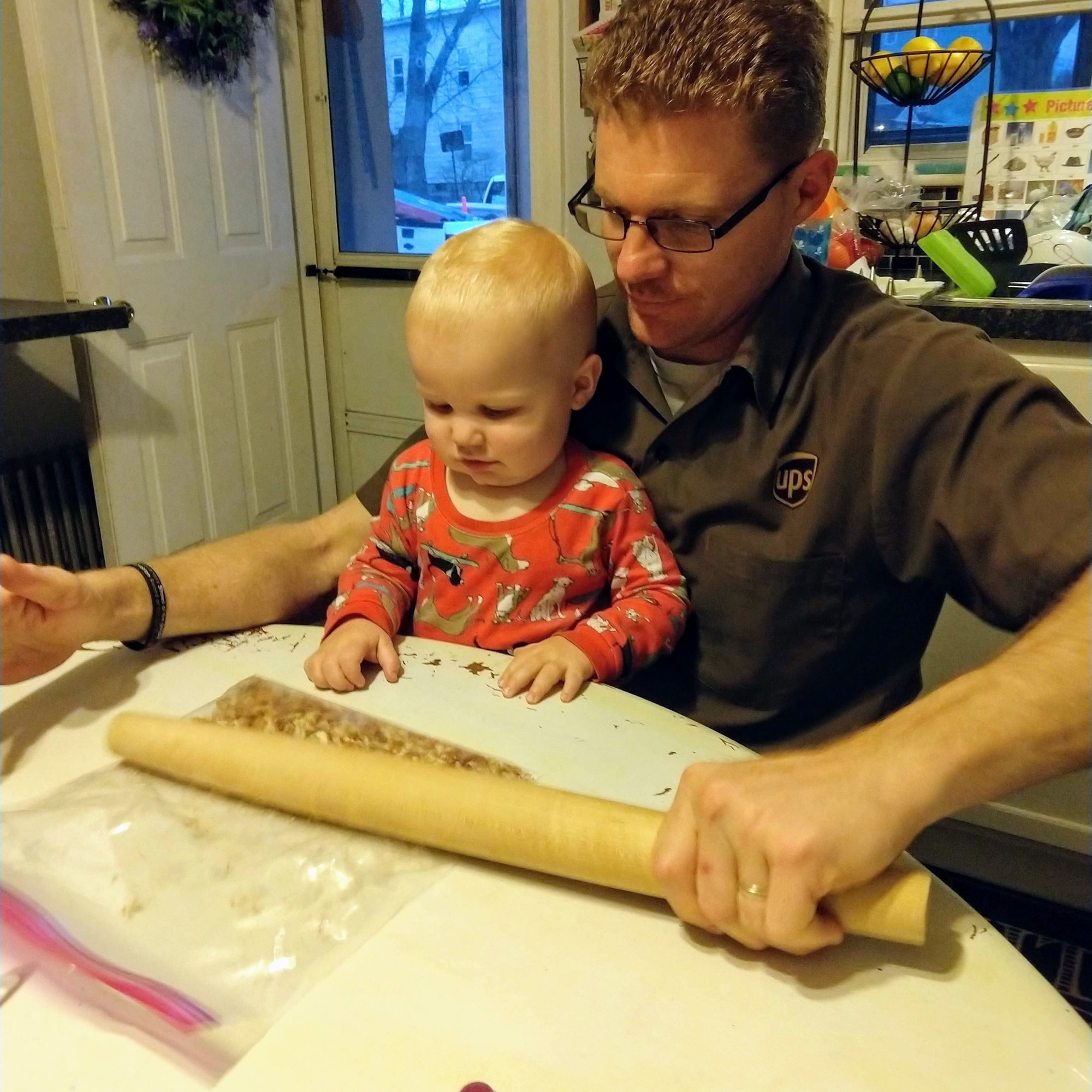
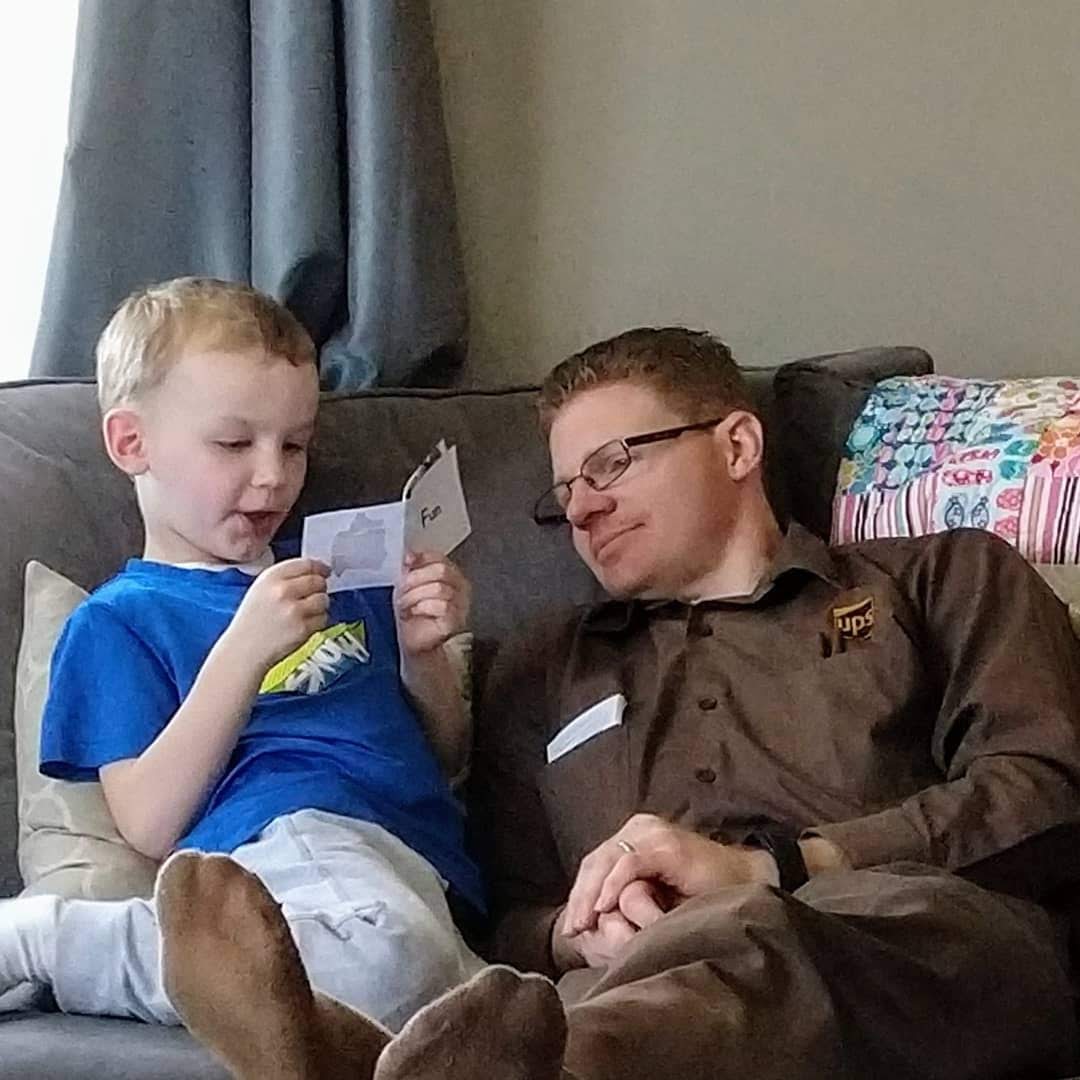
Left: Randy helping with our Resurrection cookies last Easter. Right: Noah practicing his reading with Daddy. You can tell he jumps into our family life as soon as he gets home.